Smart speakers combine music playback with voice-controlled help around the home. Alexa, Google Assistant and Siri can manage compatible lights, adjust the temperature and answer questions.
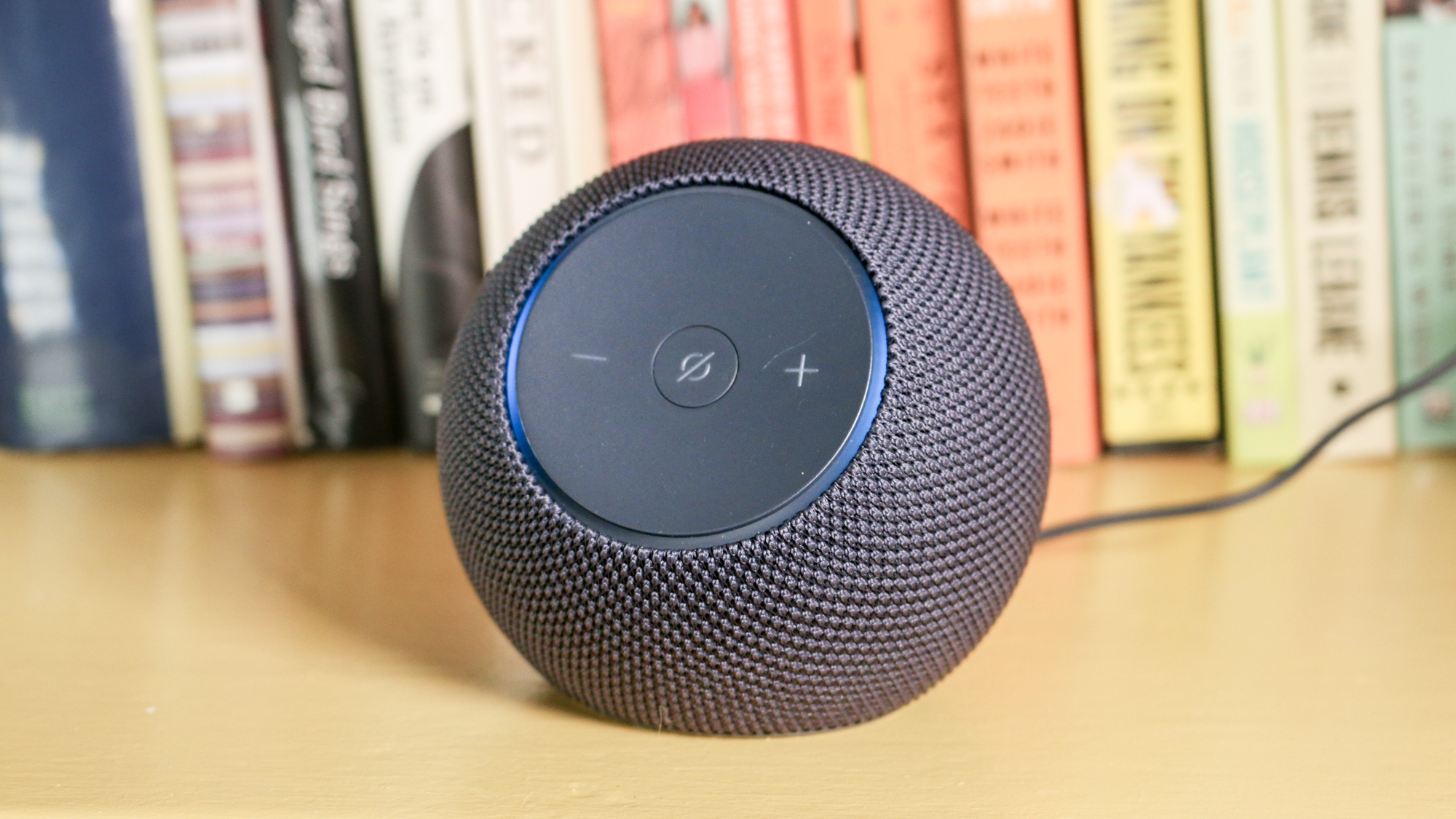
The Echo Dot Max is Tom’s Guide’s current all-round recommendation, combining Alexa with extensive smart home features. Other models offer stronger audio, closer integration with Apple or Google devices, or portable listening.
New Apple speakers are on the way
Apple has announced the Apple HomePod mini 2 as a replacement for the HomePod mini, with better Siri performance and more powerful audio expected. It has also unveiled Homeview, a smart speaker with a large screen. Although the announcement describes the new devices as released, Tom’s Guide plans to test them when they become available. Apple buyers may want to wait for those assessments.
Further details are available in the Apple newsroom.
The leading smart speaker picks
Best for most people: Amazon Echo Dot Max
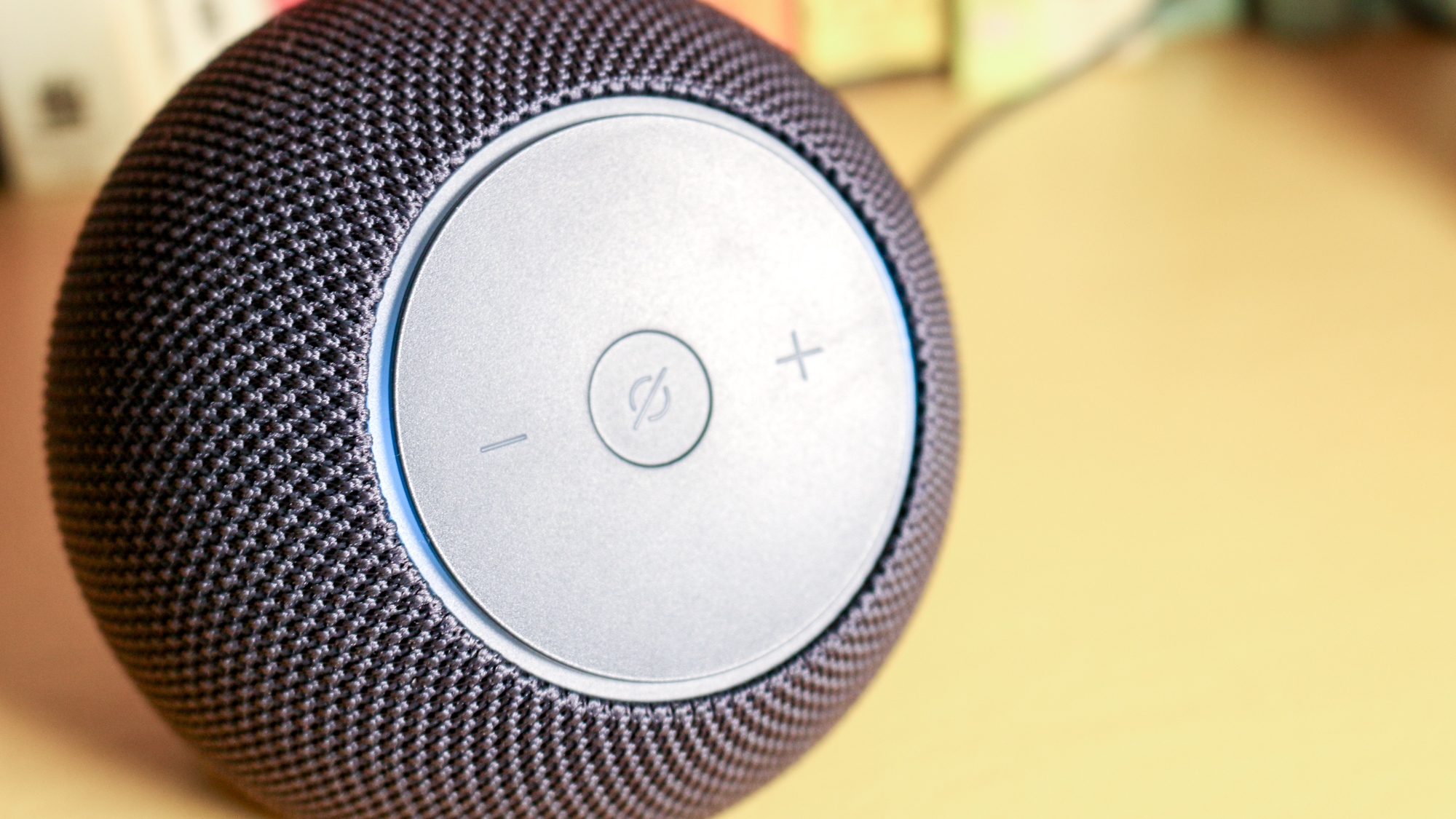

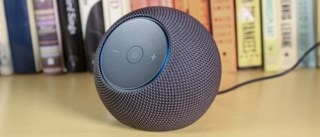
Beyond its appearance, the Amazon Echo Dot Max changes relatively little from the discontinued 4th-generation Echo. It nevertheless takes the overall recommendation, offering capable sound for its price, a built-in Matter hub, and presence and temperature sensors.
Its front-facing media controls sit on a slightly concave circular panel. Together with the rounded body, that gives it—and the new Echo Studio—a Death Star-like appearance.
The Echo Dot Max was among the first speakers to support the full Alexa+ experience at launch. Amazon’s upgraded AI assistant offers more conversational responses, broader question-answering capabilities and improved smart home routine creation. Alexa+ now works on nearly every Amazon smart device, however, so it is not a reason on its own to replace an older Echo.
Tom’s Guide found plenty of punchy bass, but less midrange and treble detail than the similarly priced Apple HomePod Mini. Overall audio performance also falls short of the Sonos Era 300.
With an Amazon Fire TV stick, up to five Echo Dot Maxes can form a wireless home theater system. That arrangement worked well in the publication’s testing, although four Echo Studios produced a more immersive result. There is no longer a 3.5-mm audio jack, leaving Bluetooth and Wi-Fi as the connection options for audio sources.
Full review: Amazon Echo Dot Max.
Best sound performance: Sonos Era 300
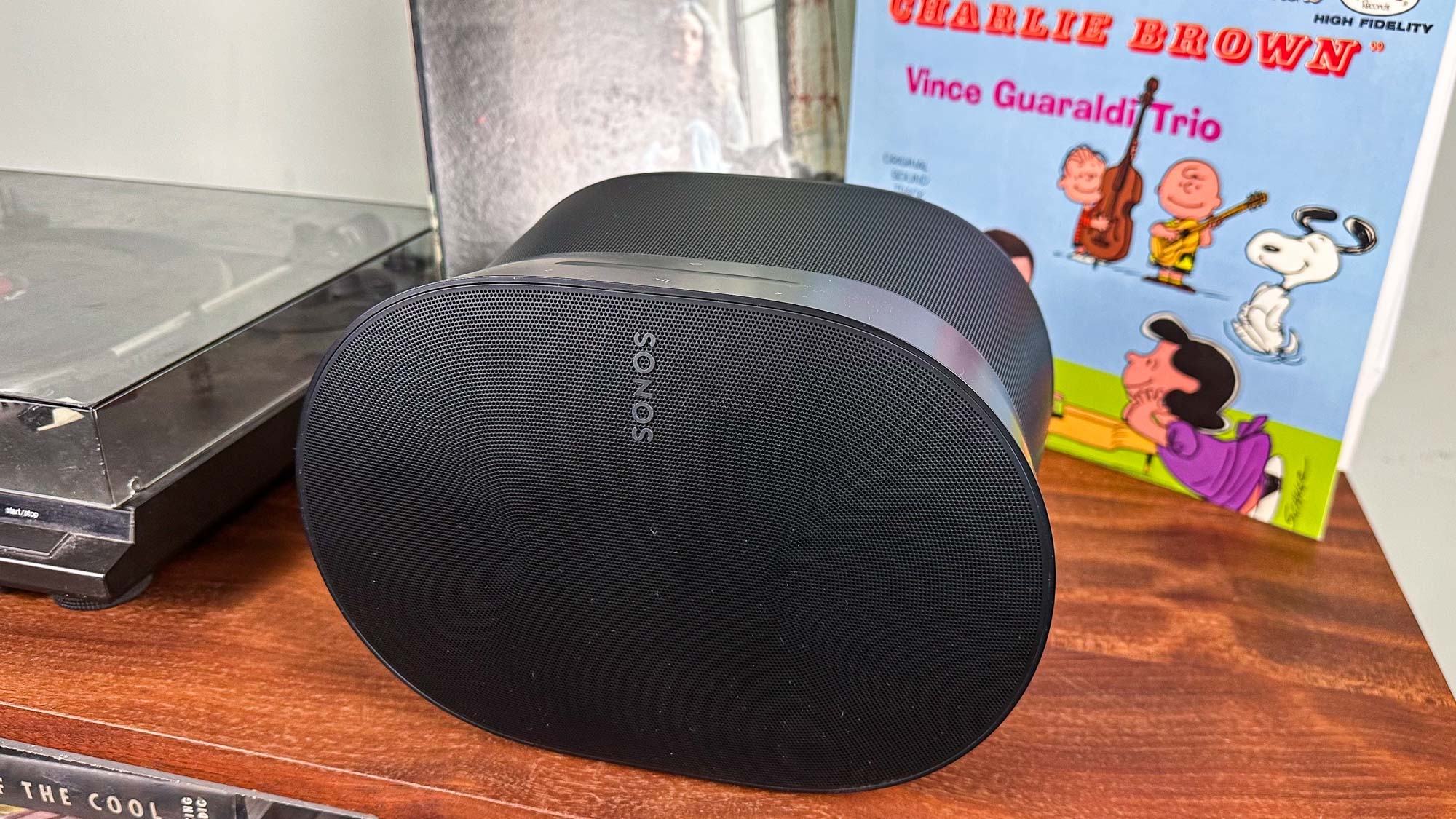
The Sonos Era 300 prioritizes enveloping sound over smart home hardware. Smaller than a shoebox, it uses two woofers and four tweeters to separate vocals and backing effects, while Dolby Atmos spatial audio gives compatible tracks a room-filling sense of direction.
Dolby Atmos streaming is supported through Apple Music and Amazon Music Unlimited. Wi-Fi 6, Airplay 2 and Bluetooth provide flexible playback, including easy phone connections for guests. A rear USB-C port allows a turntable connection, and Wi-Fi 6 support accommodates the next generation of wireless routers. Movie playback has an important restriction: spatial audio requires a connection to a Sonos soundbar.
Built-in Alexa handles compatible smart home devices, news and timers, but does not include every Amazon feature. Calling, the intercom-style ability to drop in on Echo devices, and Alexa Emergency Assist remain exclusive to Amazon hardware. The Era 300 also lacks a smart home hub, so connecting devices directly requires a separate hub.
Despite its premium price, it has none of the environmental sensing found in some cheaper speakers. Apple’s HomePod 2 can measure temperature and listen for alarms; the Echo Dot (5th Gen) can detect motion and temperature changes and extend an Eero mesh network. The Era 300 can start routines by voice, but cannot automatically trigger them when someone enters a room or the temperature changes.
For listeners who value audio above automation, it is a strong choice. For a sensor-equipped smart home centerpiece, it is less suitable.
Full review: Sonos Era 300.
Best budget option: Amazon Echo Dot (5th Gen)
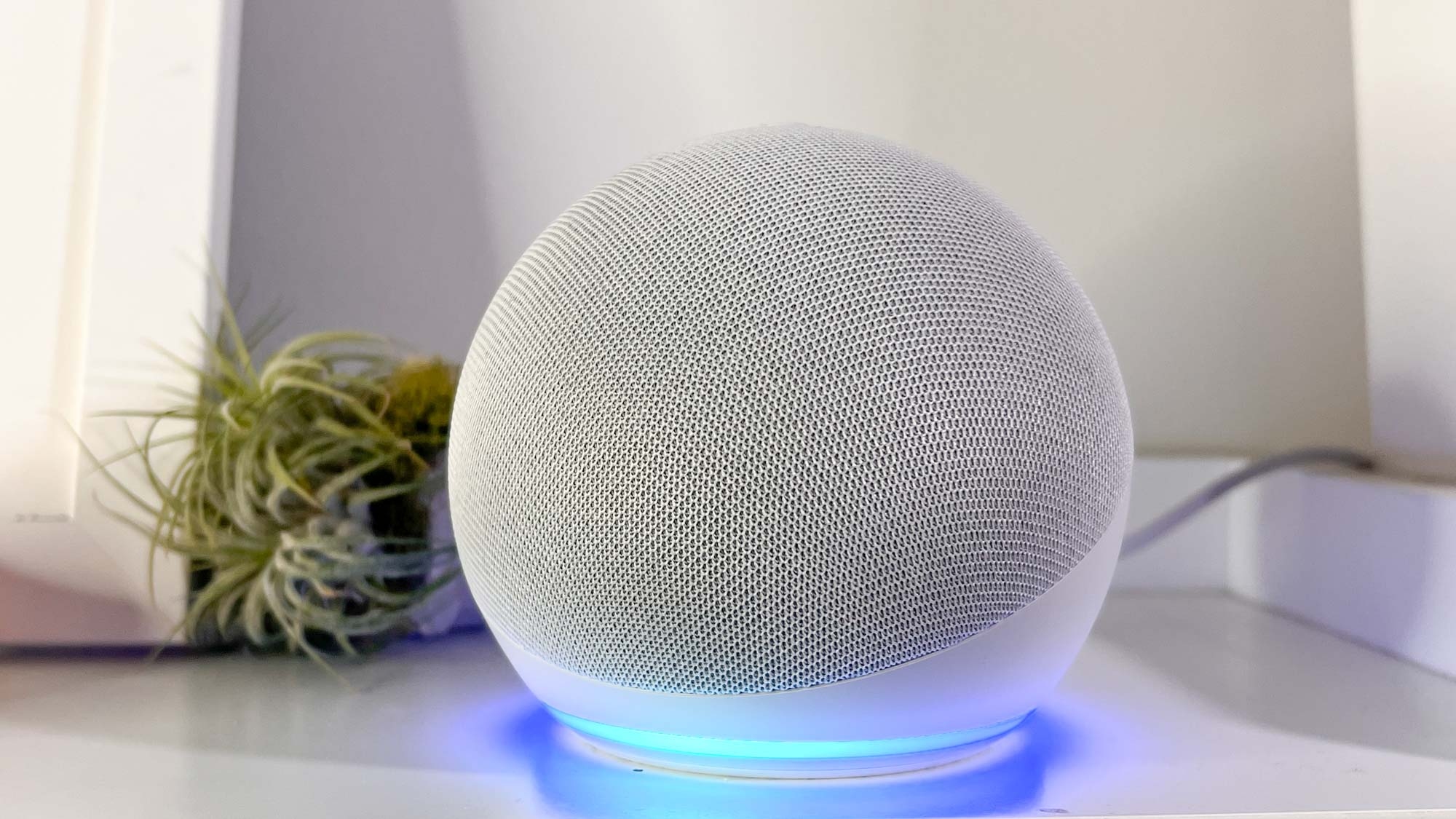
The fifth-generation Echo Dot puts substantial smart home functionality into a $60 spherical speaker. Like the larger Echo discussed in the review, it includes temperature and motion sensors.
The source reviewer uses several Dots in enclosed rooms, including bathrooms, a bedroom and an office. Its 1.73-inch speaker was described as surprisingly loud, with clearly separated instruments and vocals. Several Tom’s Guide staff members also use its temperature readings to trigger routines when rooms become too hot or cold—useful when standalone temperature sensors can cost as much as the speaker.
With an Eero mesh router system, a Dot can serve as an additional mesh node to extend Wi-Fi coverage. It can also report room temperature and run Alexa routines to control the climate.
The compromises include smaller speakers and the loss of the 3.5mm audio output available on the Amazon Echo Dot (4th Gen). It also lacks the larger Echo’s built-in Matter and Zigbee smart home hub. The source recommends paying more for the standard Echo if the speaker will form the foundation of a smart home.
Full review: Amazon Echo Dot (5th Gen).
Best for Apple households: Apple HomePod 2
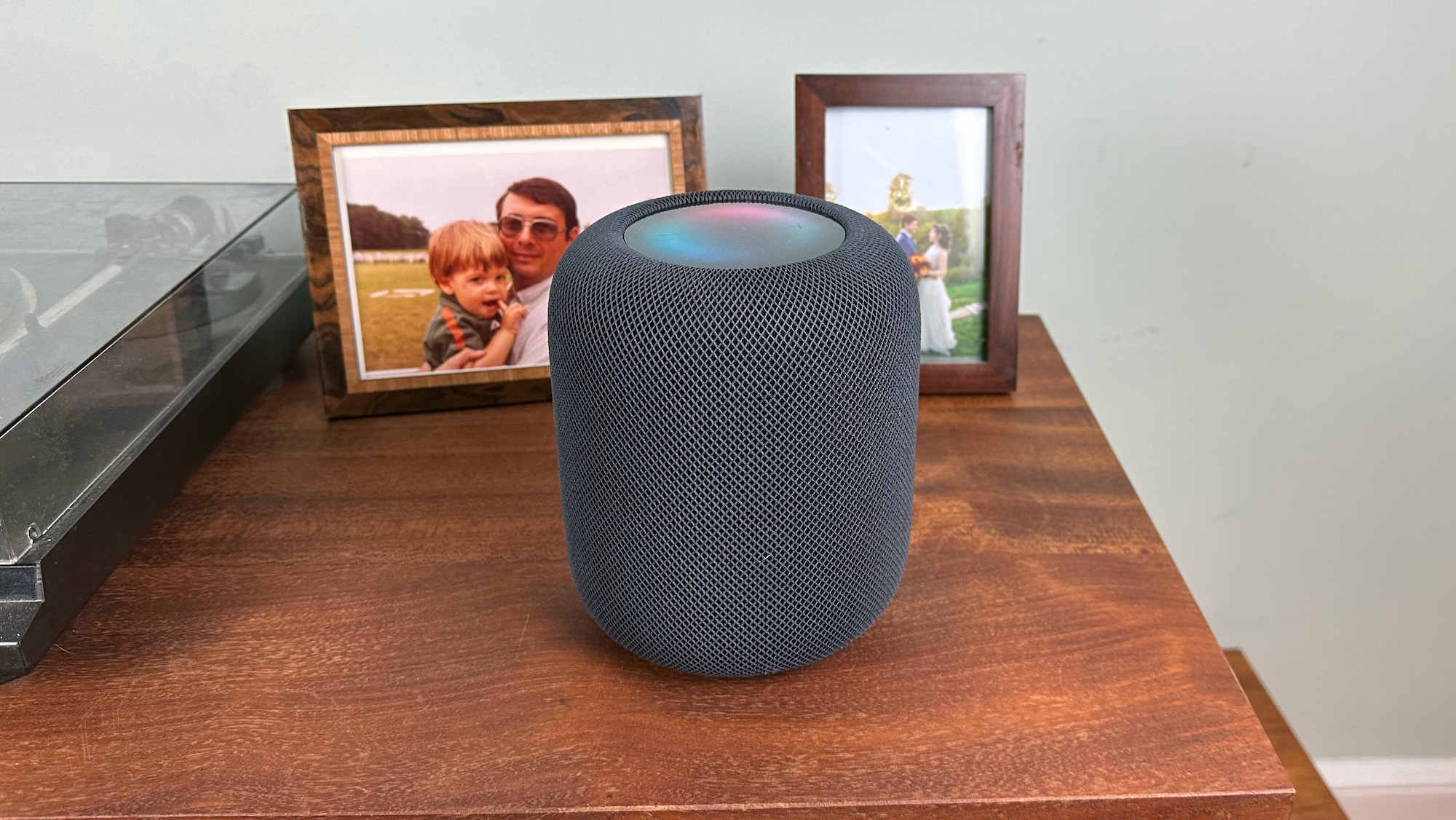

A larger woofer and redesigned tweeters help the HomePod 2 deliver some of the strongest sound in Tom’s Guide’s smart speaker testing. Dolby Atmos playback supports spatial audio, although only through Apple Music. The speaker remains closely tied to Apple’s ecosystem, even as Siri has gained support for services including Spotify, Pandora, Deezer, TuneIn Radio and iHeartRadio.
Its microphones assess room reflections and automatically adjust the output to suit the space. The tester found vocals slightly stronger on the Sonos, but the HomePod delivered more bass and a club-like presentation across music ranging from Tupac’s California Love to Frozen’s Let It Go.
The circular touchscreen is larger than the original HomePod’s. Temperature and humidity sensors can trigger HomeKit scenes, while the microphone array can recognize smoke or carbon monoxide alarms and send alerts to an iPhone, iPad or Apple Watch. Matter support also lets the HomePod 2 act as a smart home hub for compatible devices as they reach the market.
One or two HomePod 2 speakers can provide audio for an Apple TV 4K. During Top Gun: Maverick, the reviewer praised the immersive sound and forceful F/A-18 effects, but found some vocals subdued, particularly in music. The review characterized Kenny Loggins’s contribution as sounding distant rather than immediate.
For committed Apple users, the sound and integration make a compelling package. Its value is harder to justify without many Matter or HomeKit devices, although it can also be a starting point for an Apple HomeKit setup.
Full review: Apple HomePod.
Best portable option: Sonos Play
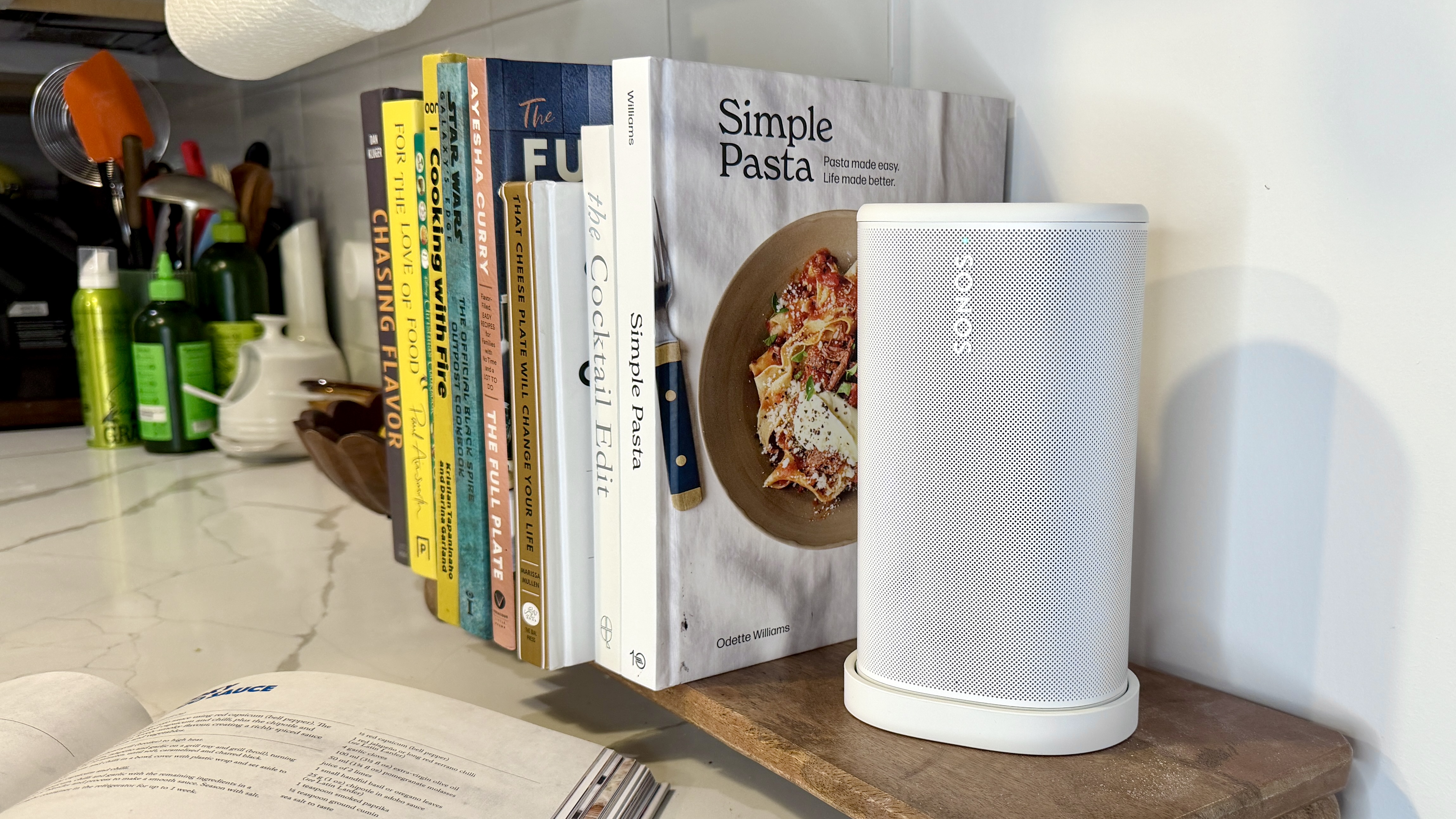
The Sonos Play is smaller than the Move 2 but offers the same 24-hour battery life, strong sound and integration with the Sonos ecosystem. Its lighter, more compact body is easier to carry in a bag or take into the garden.
Compared with the smaller Sonos Roam 2, additional drivers bring higher volume, deeper bass and more detail. The sound does not have quite the weight of the Move 2, but remains impressive. Water resistance makes it suitable for poolside use and gatherings in changeable weather.
Alexa, Google Assistant or Sonos voice control handle smart functions, but require WiFi. Those functions therefore should not be expected to work from a campsite without that connection. At $299, the source considers the Play a particularly impressive portable option.
Full review: Sonos Play.
Best for Google Home: Google Nest Audio
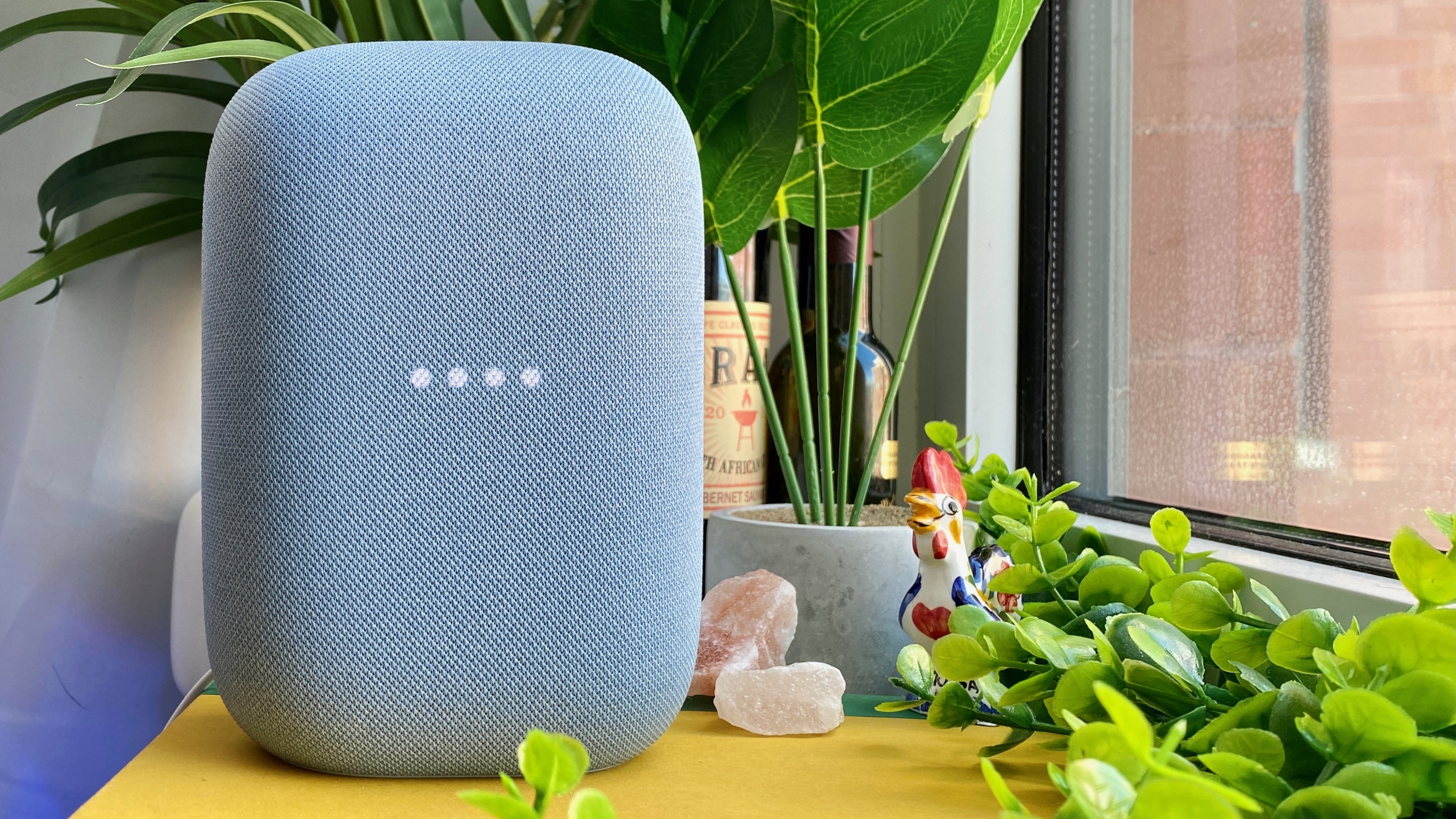
At $99, the Nest Audio costs $30 less than the original Google Home and improves on it in almost every respect. Its glasses-case-shaped enclosure serves as a voice command center for Google services and devices, while Media EQ adjusts playback to the room.
The tester used Airplay and casting to alternate favorite tracks between the Nest Audio and an entry-level Sonos One. The Nest separated percussion and layered bass well. Vocals were slightly more prominent than an artist might intend, but that balance helped spread even sound throughout the room. Bass was punchy overall, though its mid-to-low-frequency impact varied; it still represented a clear improvement over the original Google Home.
On-device processing makes Google Assistant responsive when requesting music or a morning briefing. In contrast, Tom’s Guide has found that other Google speakers sometimes need several seconds to find a requested song.
The Nest Audio suits listeners moving away from Alexa or seeking a more conversational assistant. An Android device or Chromecast-enabled TV also provides an existing foothold in Google’s ecosystem.
Full review: Google Nest Audio.
Best smart display: Echo Show 10
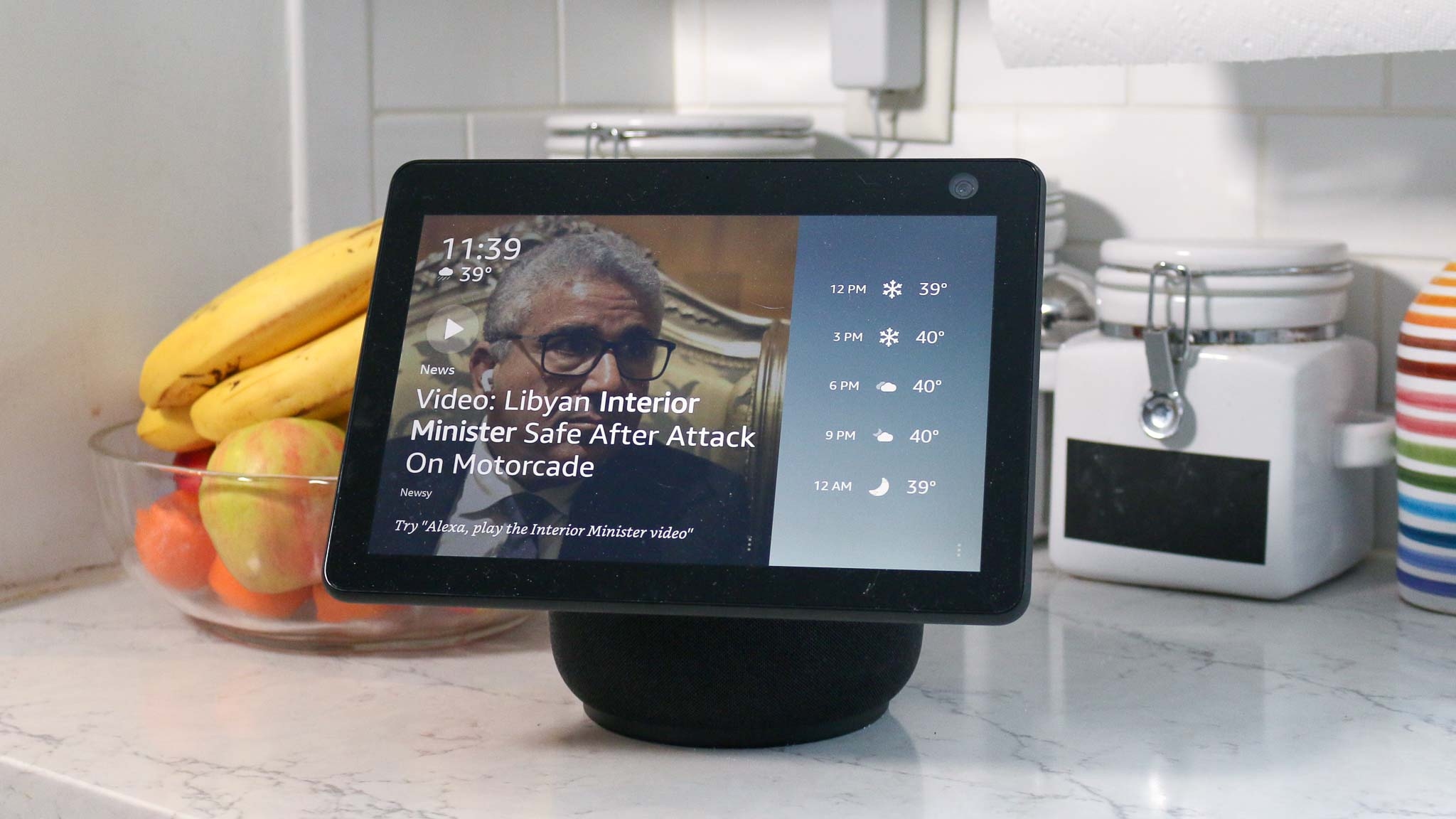
The Echo Show 10 combines strong sound and reliable voice recognition with a sharp 10-inch display for information, shows and video calls. Its motorized screen turns to keep what is on display in view as you move around the room.
The screen sits above a fabric-covered base containing two 1-inch tweeters and one 3-inch woofer. Tom’s Guide found crisp highs and rumbling lows, whereas the comparable Google Nest Hub Max emphasized bass enough to muddy vocals and other higher-pitched sounds.
Built-in Matter support and a Zigbee radio allow compatible devices, including lights and locks, to connect without a separate hub. The rotating display adds flexibility beyond the Nest Hub Max, making the Show 10 the source’s preferred combination of smart home hub, voice command center and entertainment display.
Full review: Amazon Echo Show 10.
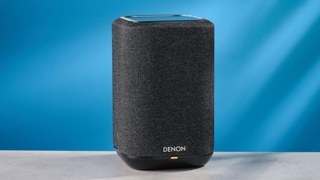
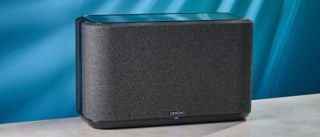
Best for multiroom systems: Denon Home 150
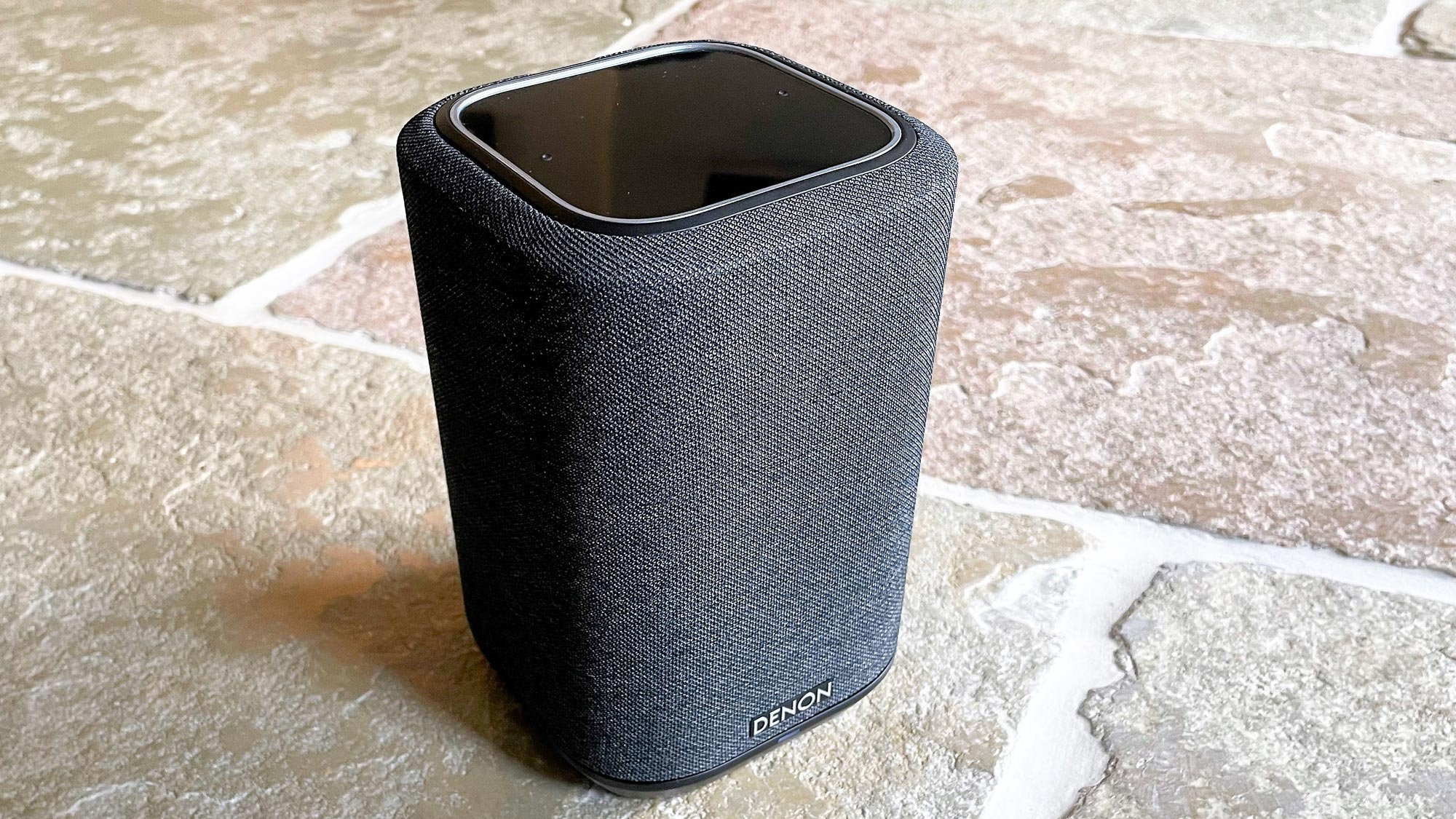
The Denon Home 150 combines Bluetooth, Wi-Fi and wired connectivity with Alexa voice control. It requires mains power, but can join other HEOS platform speakers in a multiroom music system or home theater setup, including use as surround speakers.
Integrated app support covers leading music streaming services, and hi-res audio files are supported. Across its connection options, Tom’s Guide found a large, versatile sound suited to varied music, making it one of the strongest entry-level speakers the publication has heard.
Full review: Denon Home 150.
Best for smaller rooms: Sonos Era 100
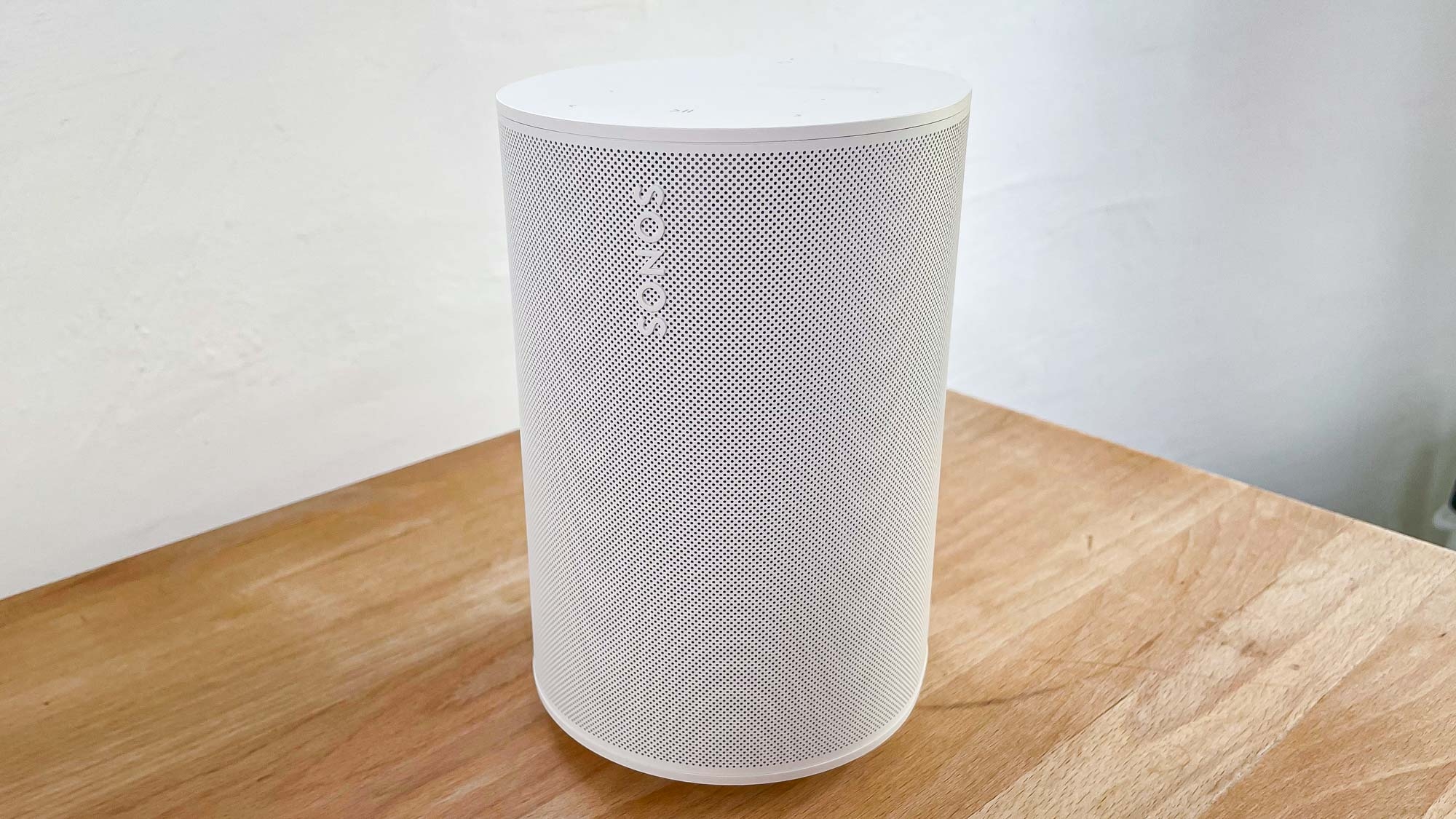
The successor to the Sonos One adds stereo sound and Bluetooth to a revised design. It supports dozens of streaming services, integrates with other networked Sonos speakers, and includes Alexa and Sonos voice control. External sources such as turntables can also be connected.
In Tom’s Guide’s testing, bass reached deeper than on the Sonos One and retained energy at low volumes. Balanced midrange reproduction kept both singing and radio speech clear and convincing. The stereo image was somewhat narrow despite the twin tweeters, but the overall performance and Bluetooth addition made it a worthwhile development of the Sonos system.
Full review: Sonos Era 100.
Other models tested
Amazon Echo Studio
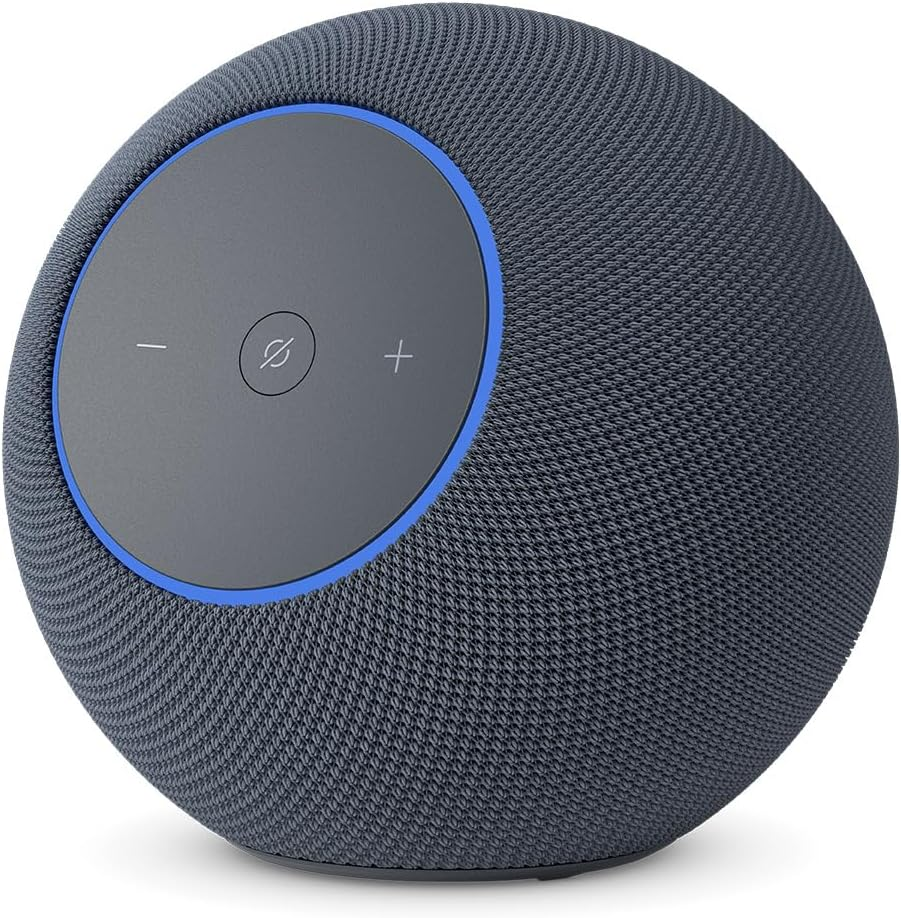
The new Echo Studio resembles a larger Echo Dot Max and brings excellent sound, including Dolby Atmos, to Amazon’s range. Tom’s Guide prefers HomePod and Sonos for audio overall, while describing the Studio as the best Alexa-enabled solution.
Full review: Amazon Echo Studio.
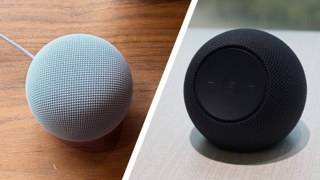
Apple HomePod mini
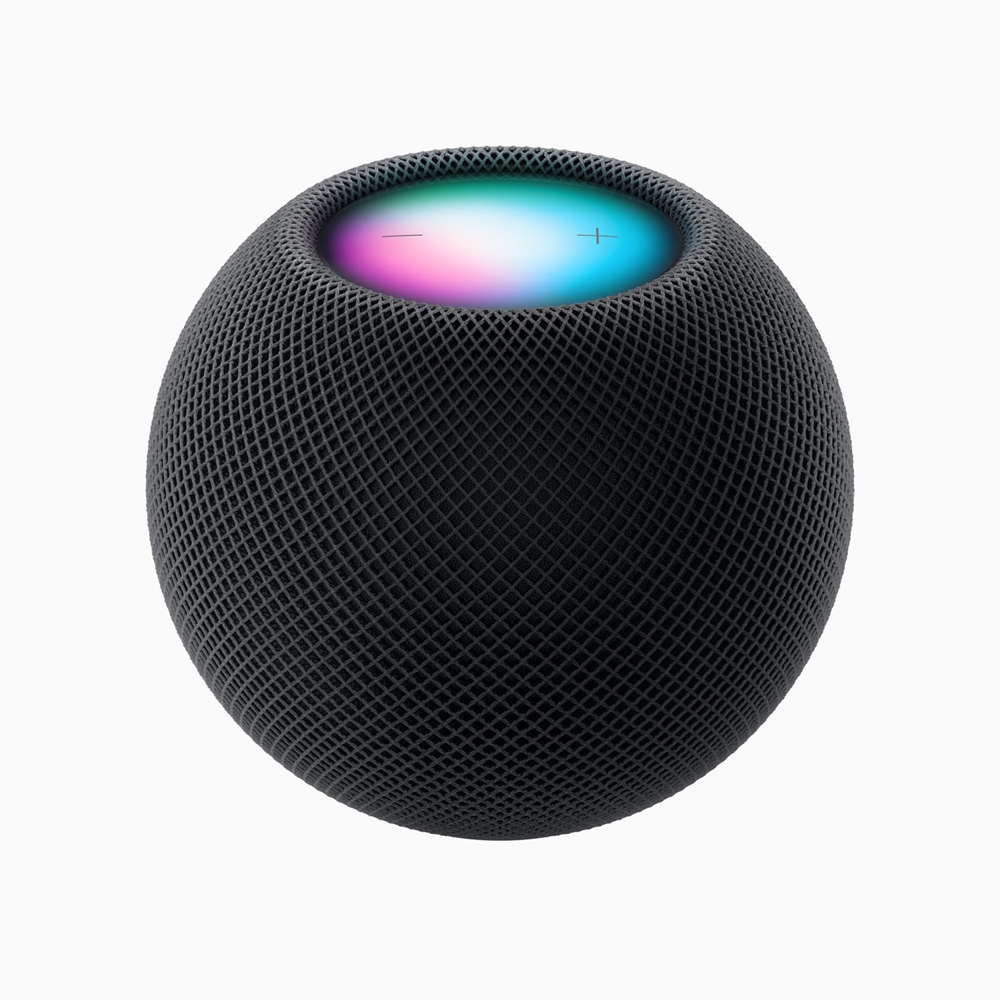
The HomePod mini produces impressive sound for its small size and is likely to appeal to more buyers than the $249 HomePod. Its glowing color panel and furniture-safe base complement its compact design. Siri users can place voice control around the home and manage compatible HomeKit devices.
Full review: Apple HomePod mini.
Amazon Echo Pop
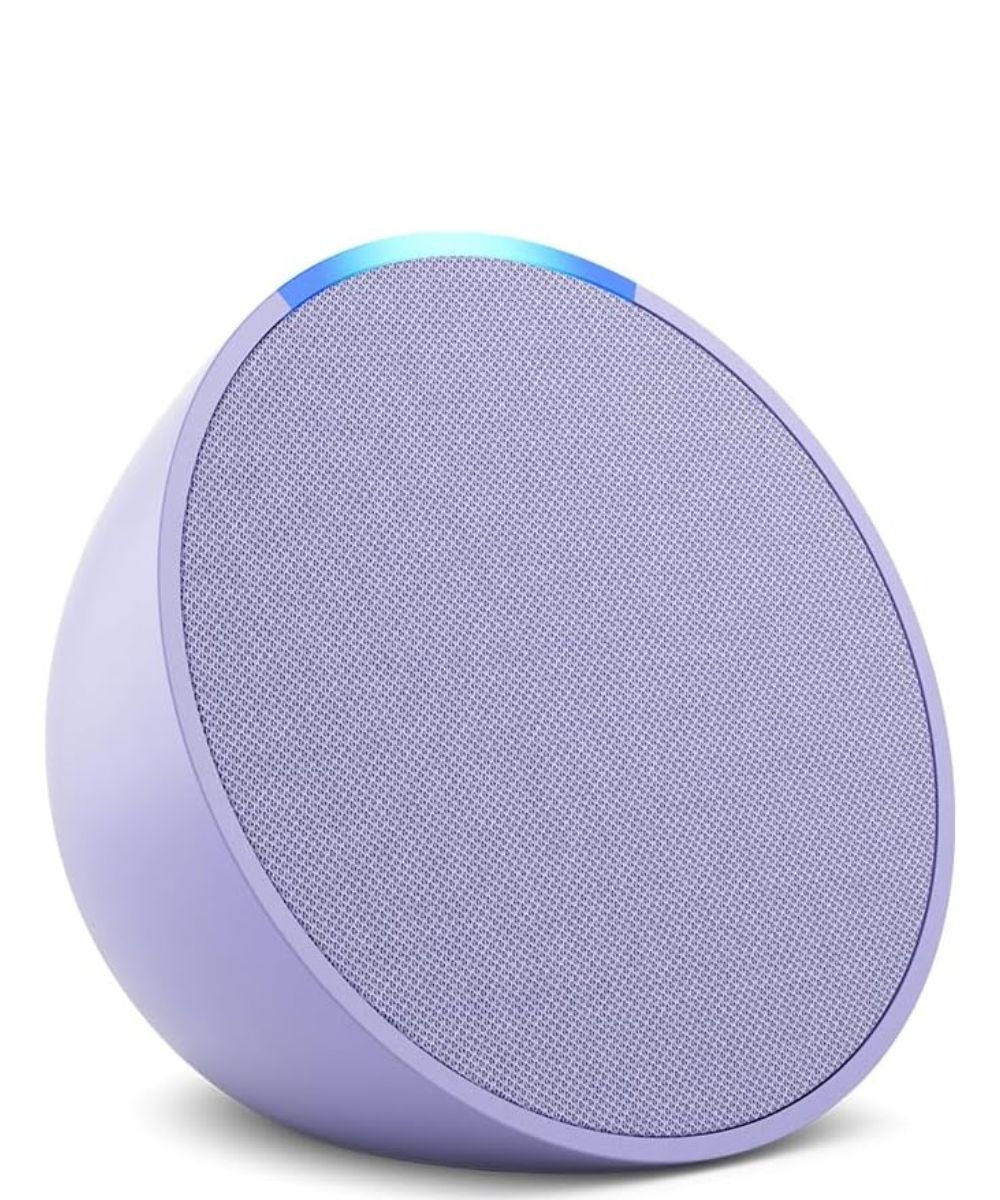
The Echo Pop is intended for personal listening, sacrificing smart home sensors to reduce cost. It is not the choice for room-filling audio or comprehensive connected-home control, and it no longer has a 3.5mm audio line output. Although suitable as a gift or starter device, the source recommends the Echo Dot for better value at only a slightly higher price.
Full review: Amazon Echo Pop.
Choosing between Siri, Alexa and Google Assistant
Your existing devices are an important starting point. HomePods and HomePods mini integrate closely with Apple hardware and can be managed from a phone without installing additional apps. Third-party device support is more limited and setup can require extra work, but the resulting integration is a strength.
Alexa offers the broadest feature set and device support, making it relatively easy to assemble a connected home. The source acknowledges privacy concerns about data use, while describing those concerns as diminishing as the assistant develops.
Google Assistant sits between the two. Gemini integration gives it a stronger AI presence, but device compatibility is narrower than Alexa’s. Pixel users may particularly appreciate its connections with their phones, tablets and Chromebooks.
Before committing, research the devices you want and any additional apps they require. The assistant that best fits those requirements will usually determine which speaker makes sense.
How Tom’s Guide evaluates smart speakers
Audio quality is a central part of testing, judged against each speaker’s purpose and price. A small budget model is not expected to match a speaker costing five times as much.
Testing also considers the built-in assistant’s capabilities. Amazon and Google speakers provide their respective assistants’ full feature sets, while third-party models can lose functions such as voice calling. If two speakers sound equally good, more complete assistant support can give the manufacturer’s own model a higher rating.
Design and connections matter too, including appearance and inputs for sources such as turntables or TVs. These factors help determine which models earn a recommendation.
Finding the right speaker for your home
Start with your audio expectations, budget and existing smart home equipment. Amazon, Apple and Google offer entry-level and premium choices, but compatibility may outweigh sound quality. The second-generation HomePod, for example, is described in the source’s buying advice as offering the best sound, yet would be a poor fit for legacy Zigbee devices that do not work with HomeKit.
That buying advice also credits the larger HomePod and compact HomePod mini with particularly impressive bass and spatial audio. Echo speakers suit everyday listening, although the source cautions that much of the range may leave demanding bass listeners wanting more. Google Nest models offer comparable midrange performance.
Amazon’s strength is value: the Echo Dot combines a low price with sensors and substantial automation functionality. Google competes with the Nest Mini against the Dot and the midrange Nest against the standard Echo. Buyers committed to either assistant can also consult the best Alexa speakers and best Google Home speakers guides.
HomePod models generally cost more than many Echo and Nest alternatives, with Apple integration and sound quality providing the justification for loyal users. The buying advice lists the HomePod mini at $99—twice the price of the comparable Echo Dot or Nest Mini—while the individual fifth-generation Dot recommendation above lists that model at $60.