Verdict
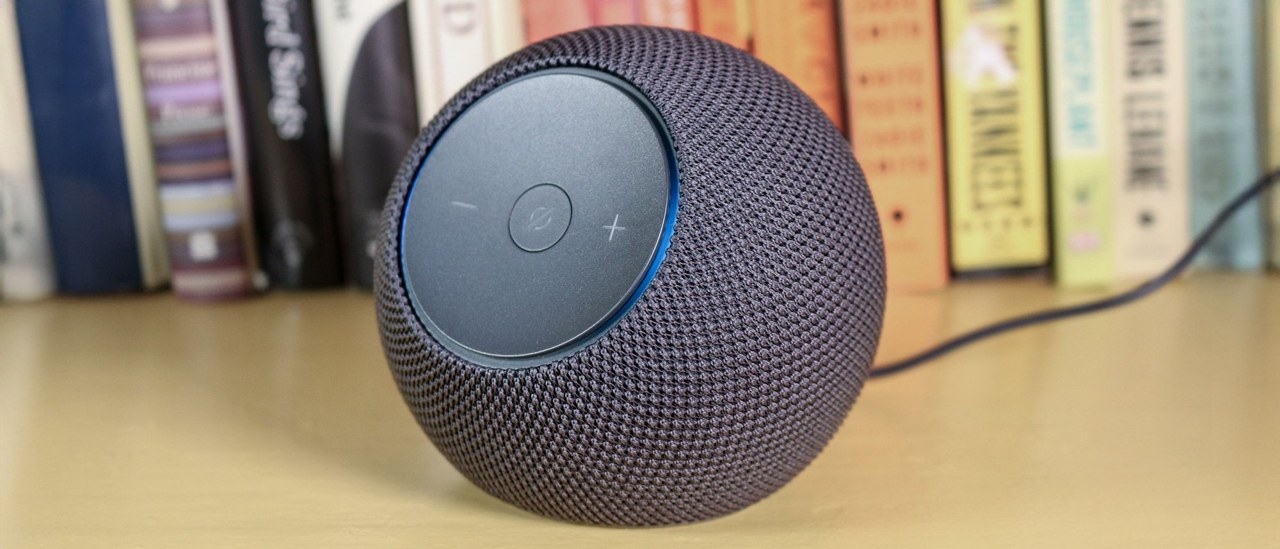
The Echo Dot Max makes sense for anyone seeking fuller sound than the Echo Dot or expanding an Amazon-based smart home. Its compact design, capable audio and broad home-control support are appealing, but it offers relatively little beyond the previous Echo and drops the audio input/output jack.
Specifications
- Size: 4.27 x 4.27 x 3.9 inches
- Speakers: 0.8-inch tweeter and 2.5-inch woofer
- Wireless: Wi-Fi 6E 11a/b/g/n/ac/ax, Bluetooth LE 5.3
- Smart Home: Zigbee, Matter, Thread Border Router, eero
Among the first smart speakers released after Alexa+, Amazon’s AI-enhanced assistant, the Echo Dot Max replaces the discontinued 4th-generation Echo at the same price. Its name likely reflects dimensions closer to the Echo Dot than to its predecessor. Tom’s Guide reviewer Michael A. Prospero used it for a little under a week to assess both the hardware and Alexa+.
Price and availability
Sales began October 29, 2025, at $99, with graphite, Glacier White and amethyst finishes available at launch.
That puts it $50 above the Echo Dot 5th gen and well below the new $219 Echo Studio. It also matches the price of the Apple HomePod Mini and the Google Home Speaker, due in the spring.
Design
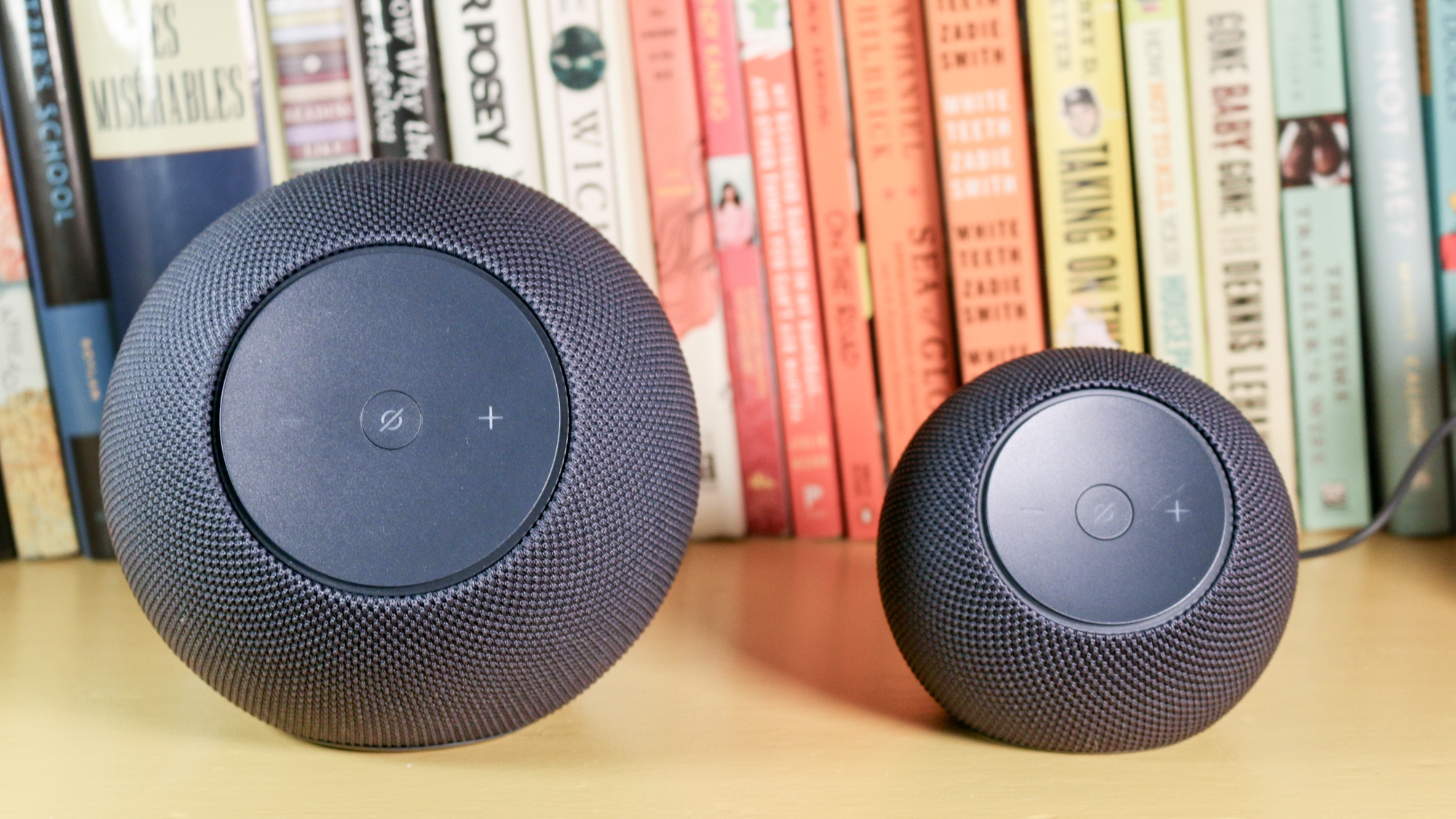
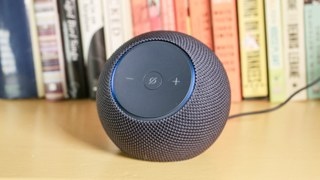
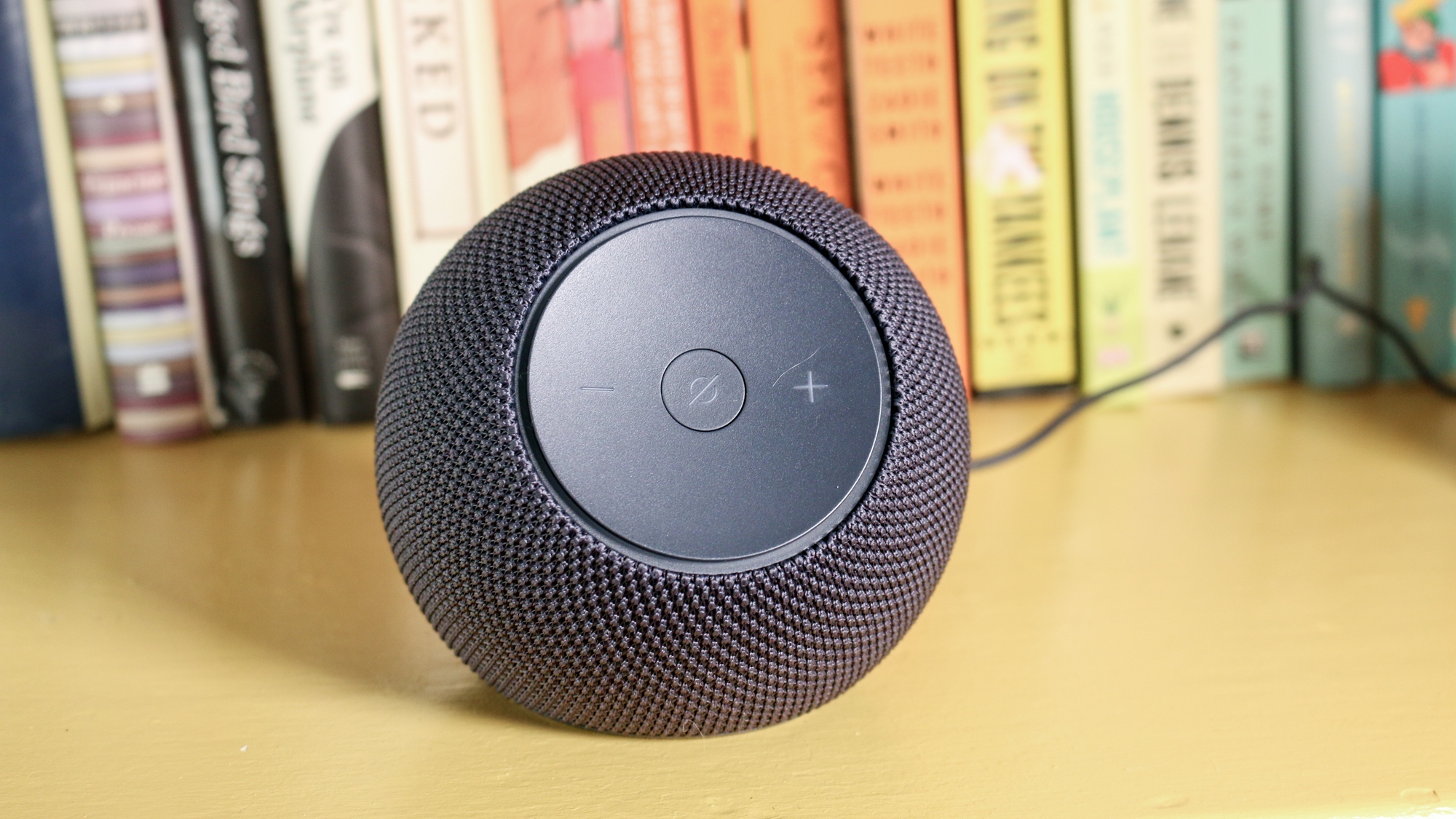
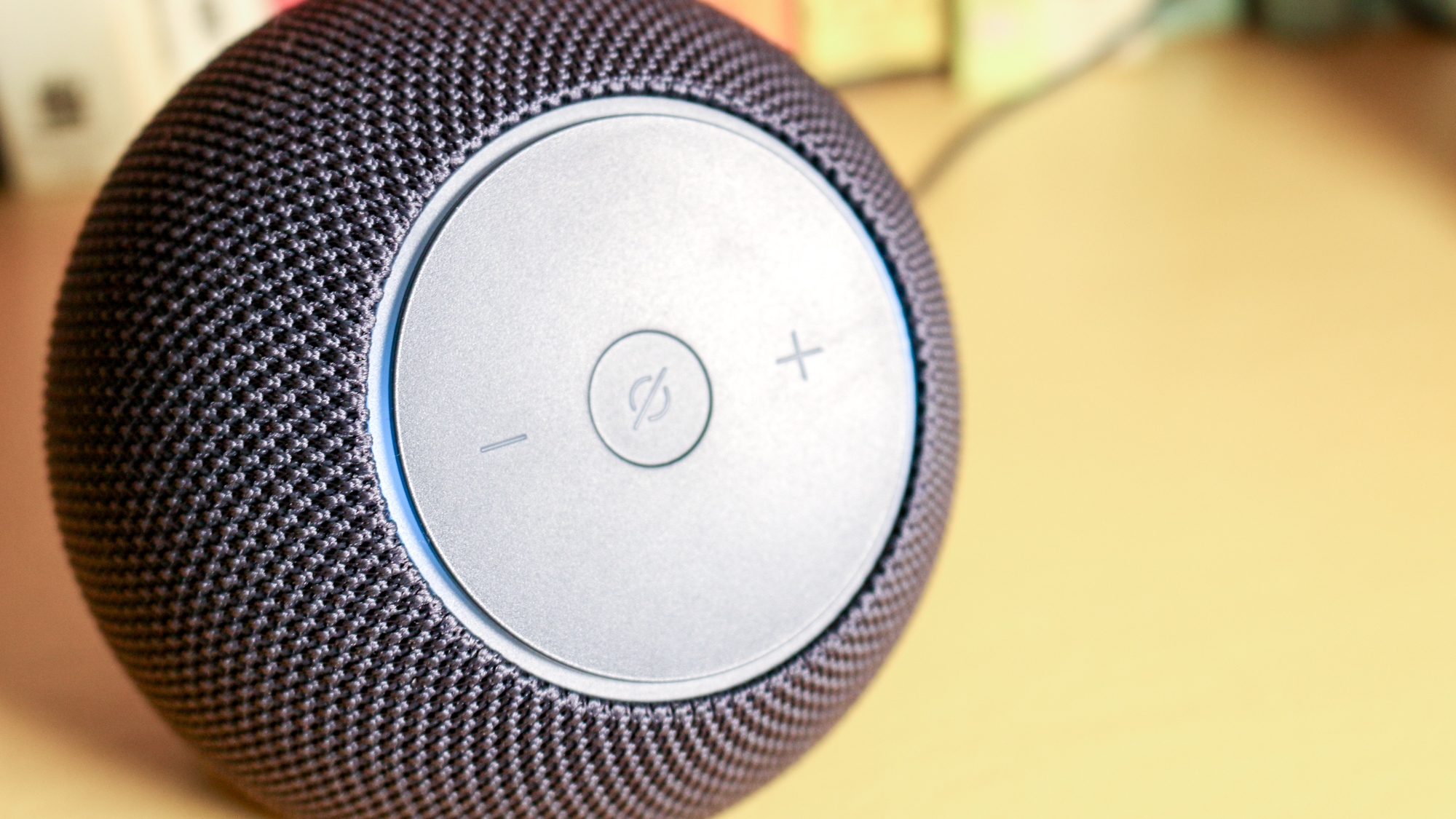
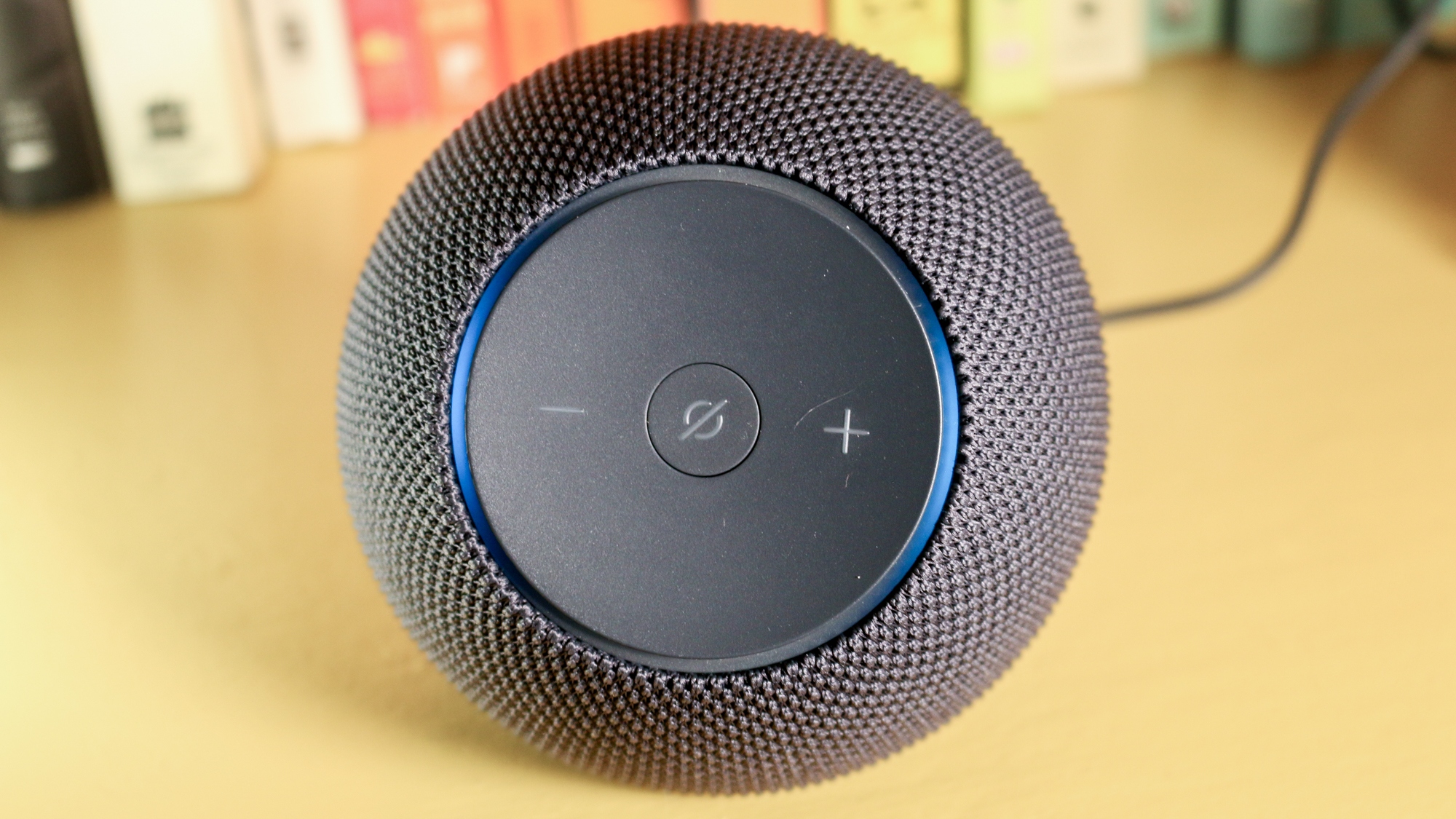
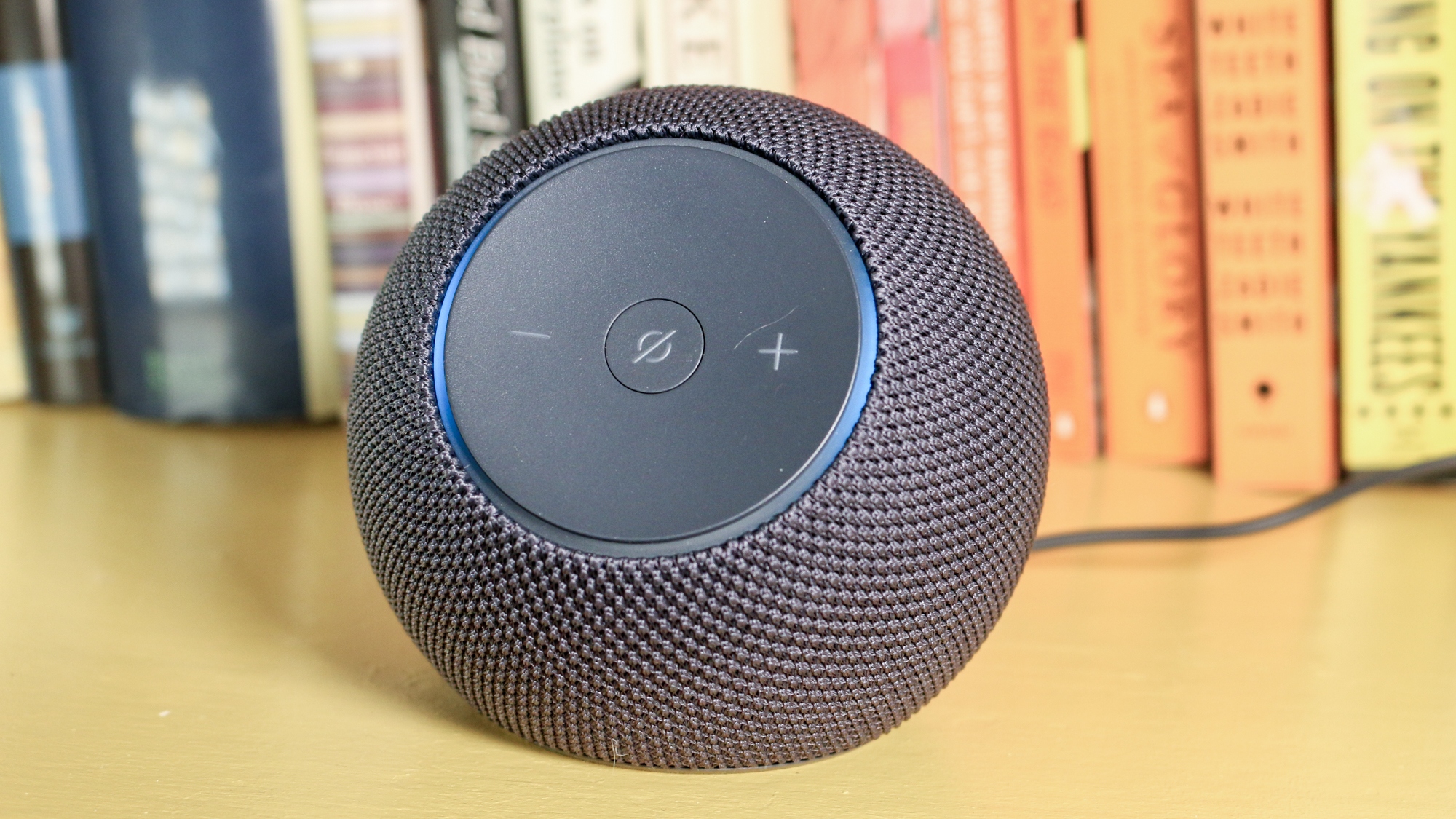
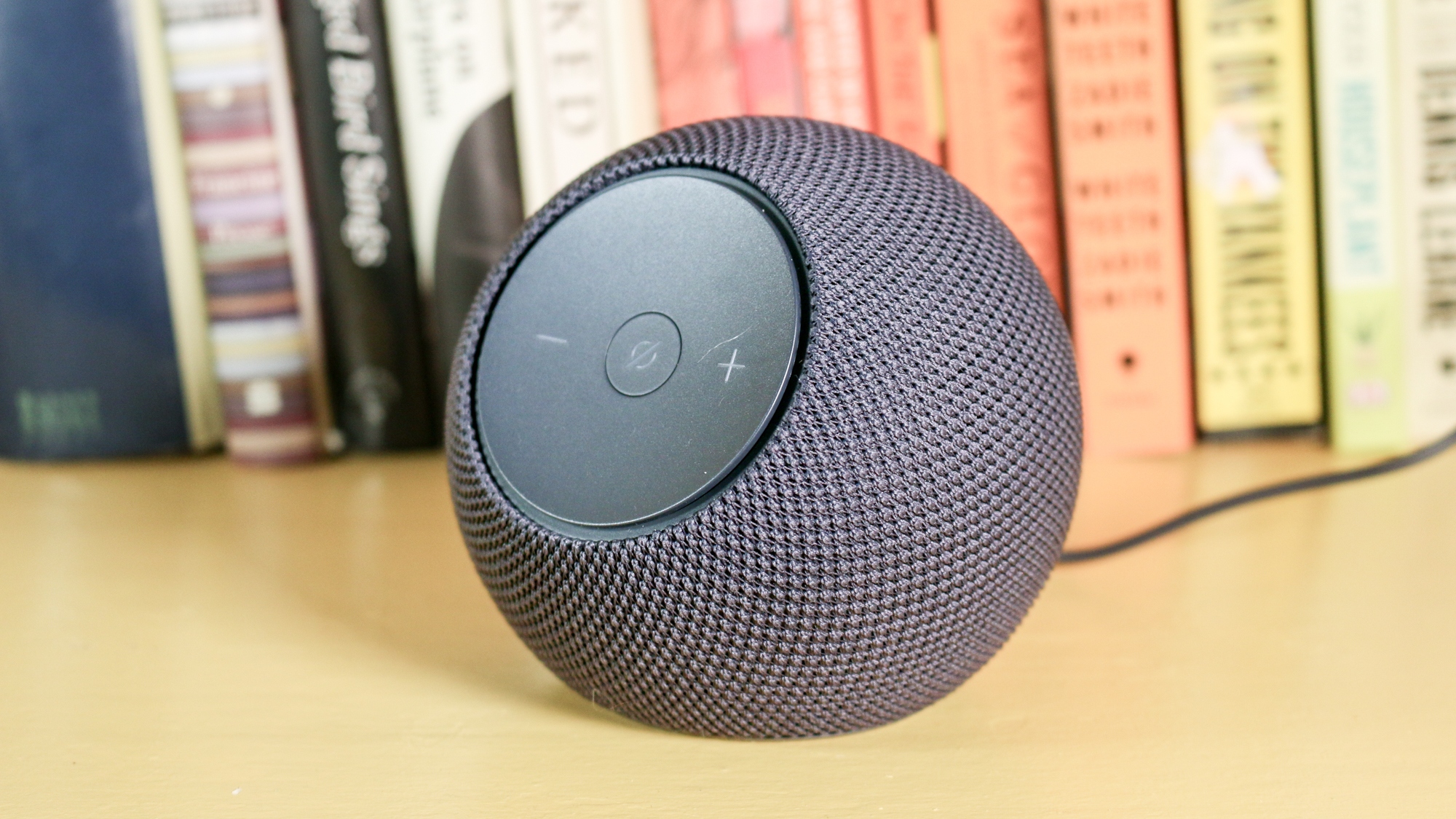
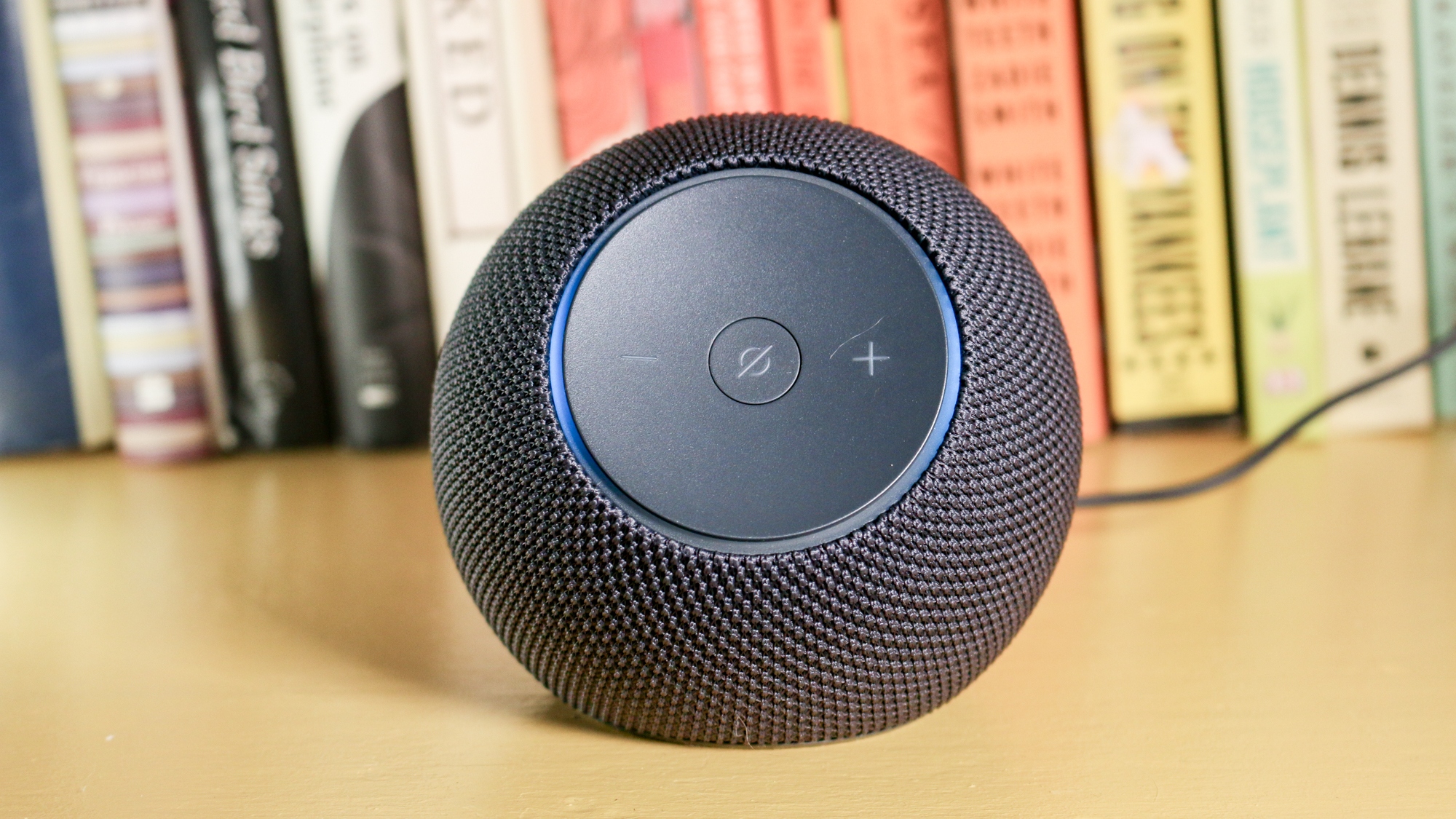
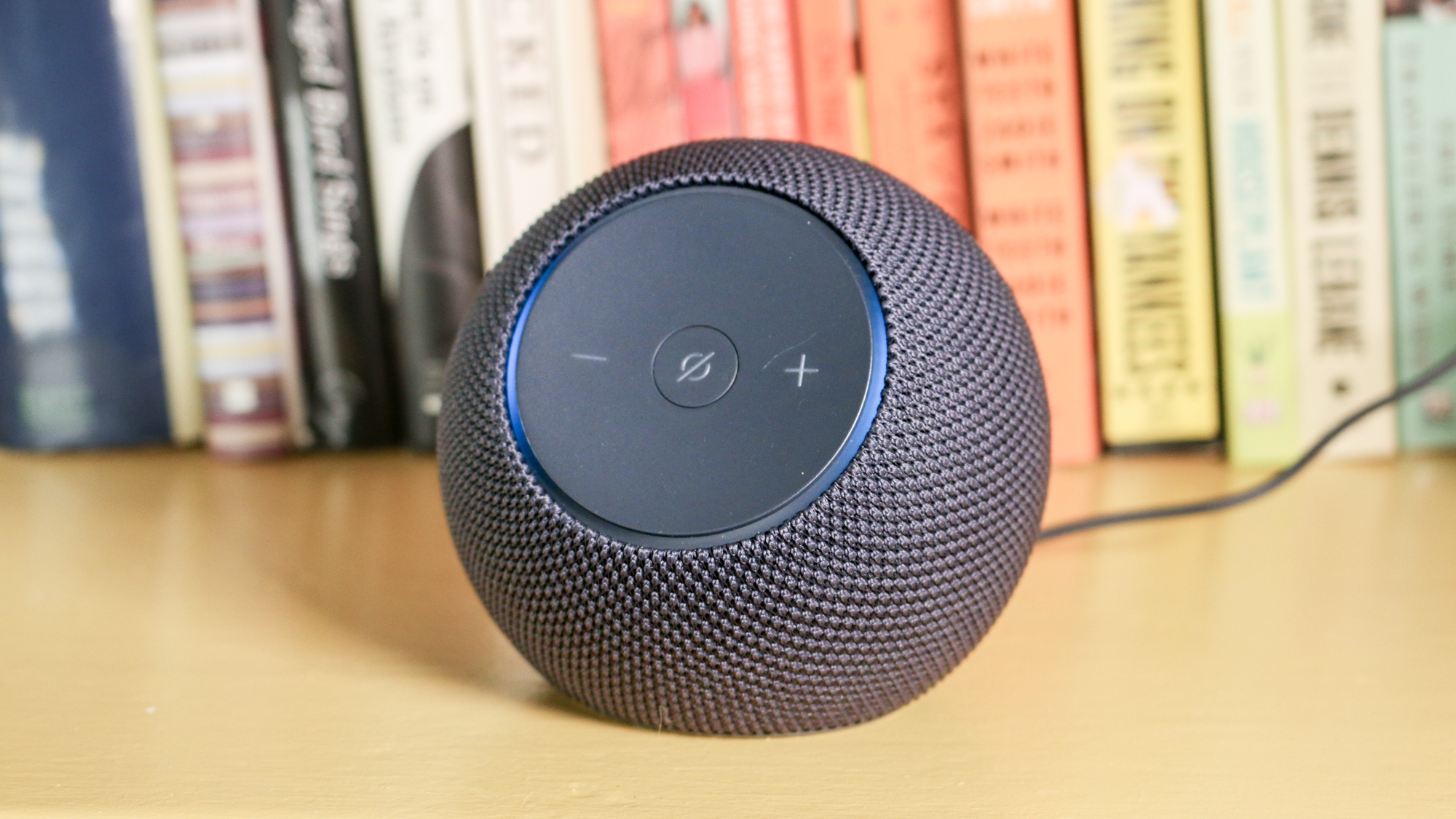
The Echo Dot Max and larger Echo Studio retain Amazon’s spherical styling, but their recessed circular controls give them a Death Star-like appearance. An LED surrounding those controls glows blue when Alexa or Alexa+ is listening. Pressing the central mute button turns it red to indicate that listening is disabled. This ring is easier to see than the one near the Echo Dot’s base.
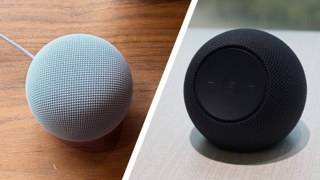
The more conspicuous fabric weave also recalls the Apple HomePod Mini and Google Home Speaker.
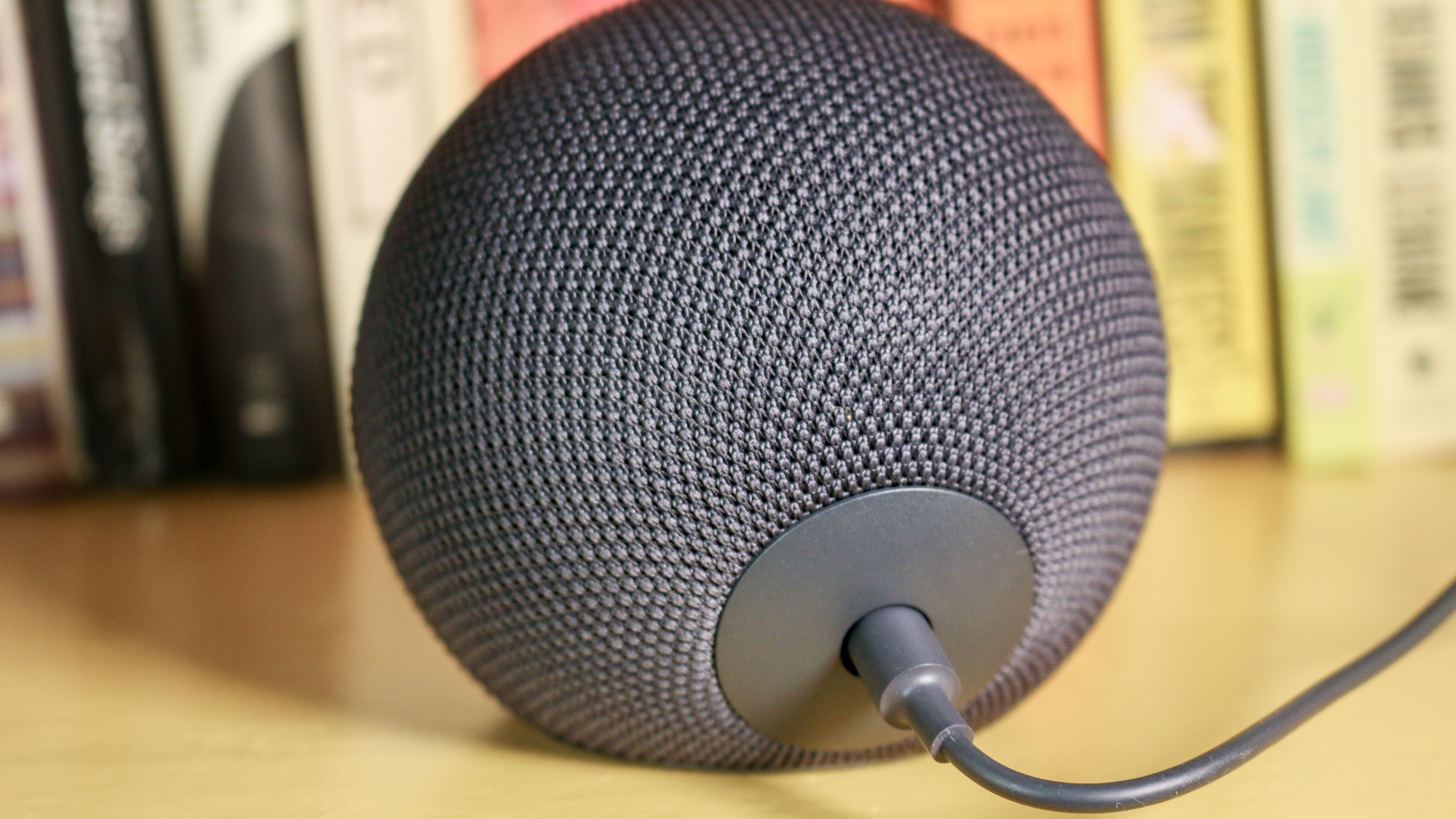
At 4.27 x 4.27 x 3.9 inches, the Max sits between the Echo Dot, measuring 3.9 x 3.9 x 3.5, and the 4th-gen Echo, measuring 5.7 x 5.7 x 5.2 inches. It remains small enough for a nightstand. The rear has a proprietary power connection, but the older Echo’s audio jack is absent.
Audio performance
Instead of the Echo Dot’s single 1.73-inch speaker, the Max uses a 0.8-inch tweeter and 2.5-inch woofer. Amazon describes the result as room-filling sound. The arrangement resembles the 4th-gen Echo’s, although that model had a larger 3-inch woofer.
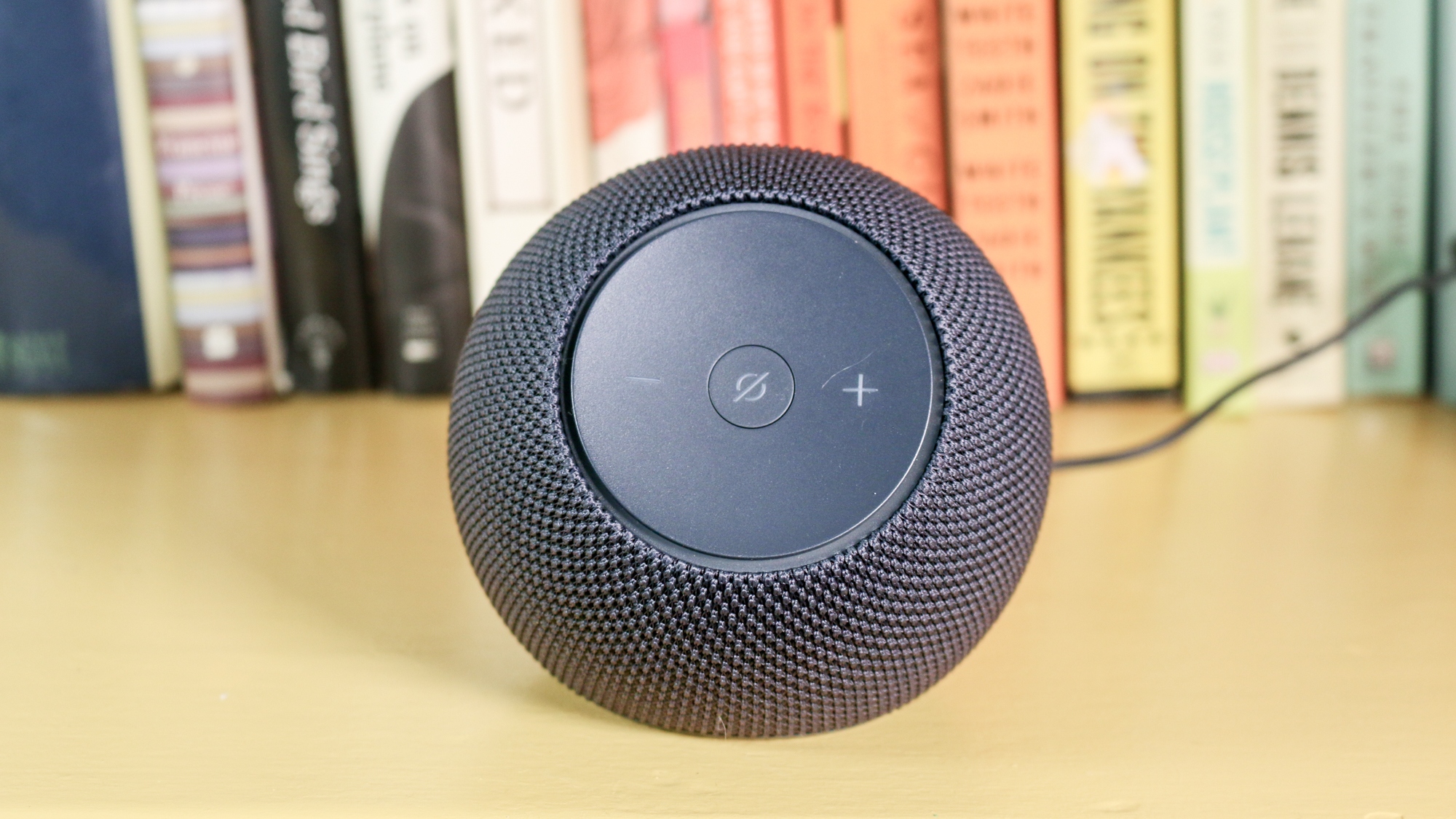
Lossless High Definition support is joined by Automatic Room Adaptation, which adjusts playback to its surroundings. Room adaptation is also available on the 4th-gen Echo and HomePod Mini.
In Prospero’s Spotify lossless listening tests, the Max produced sound larger than its dimensions suggested. Golden from K-Pop: Demon Hunters filled his living room, with soaring Audrey Nuna vocals and clean, forceful bass.
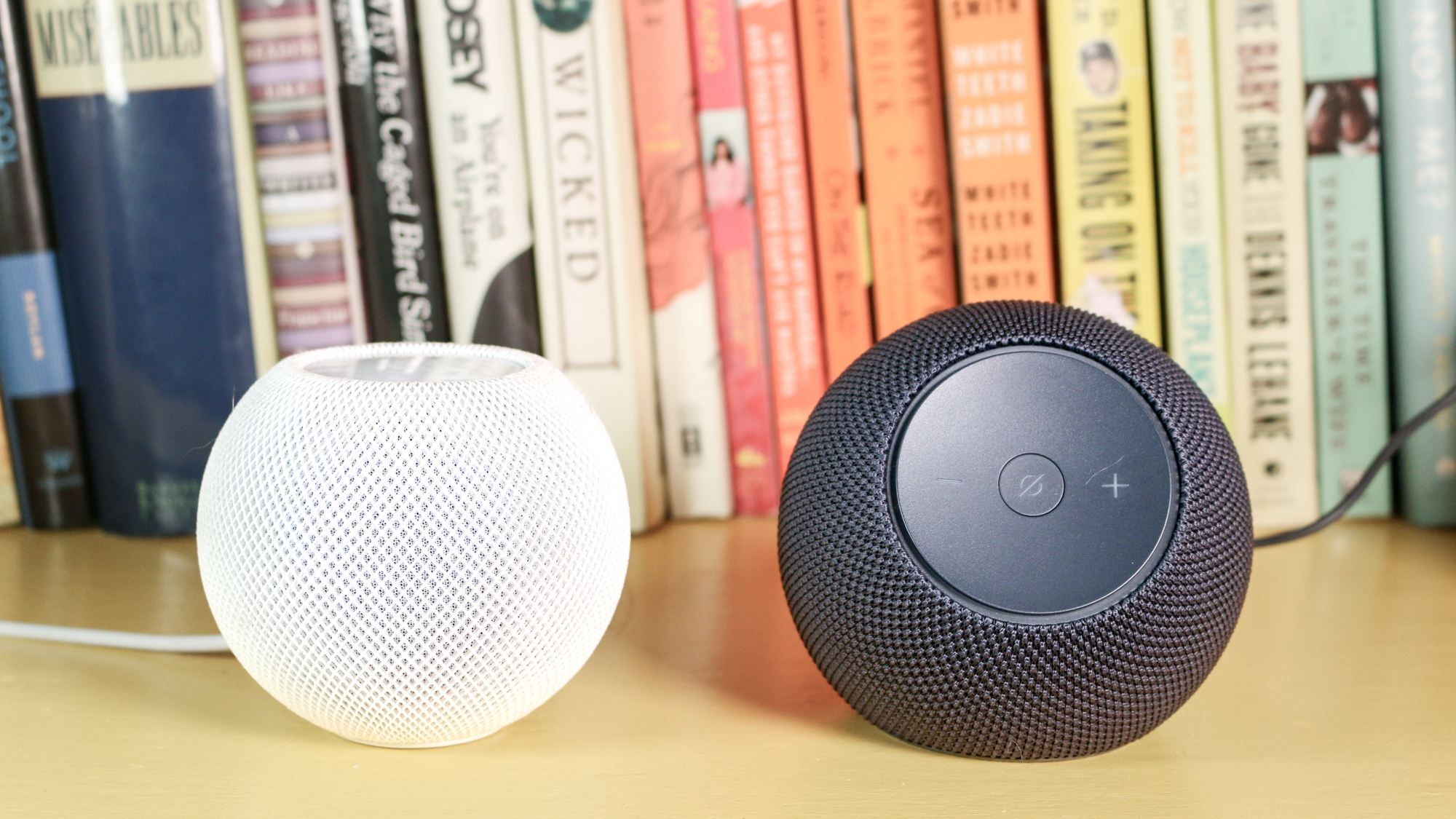
Compared directly with the HomePod mini, the Max played louder and delivered stronger bass, an unsurprising advantage over Apple’s smaller single-driver speaker. Vocal detail was less convincing: Bruce Springsteen sounded more compressed and recessed on Atlantic City from Electric Nebraska.
Defying Gravity exposed the difference more clearly. The HomePod mini rendered Cynthia Erivo’s voice with greater sharpness and clarity; both her singing and the accompaniment sounded flatter on the Max.
Fire TV audio output was unavailable at launch, with Amazon promising it in November. Supported devices are Fire TV Stick 4K Max (2nd Gen), Fire TV Stick 4K (2nd Gen), and Fire TV Cube (3rd Gen). This resembles HomePod and HomePod mini integration with Apple TV, as well as older Echo/Fire TV combinations; the compatibility list details the pairings.
Alexa+
Alexa+ remained in early access when the Max launched, with Amazon still refining and expanding the assistant. Buying the Max provides early access, although almost all Echo smart speakers offer it too. Prime customers receive Alexa+ free; nonmembers will pay $19.99/month after early access ends.
The audio-only experience differs from an Echo Show. In an interview with Prospero, Daniel Rausch, Amazon’s vice president of Alexa+ and Echo, explained that speaker-first responses would be shorter than those delivered on smart displays.
Prospero found Alexa+ substantially better than Classic Alexa. Asked about nearby pizza restaurants, it correctly identified the top three and supplied addresses, but could not provide turn-by-turn directions. Instead, it jokingly suggested following the smell of pizza.
Routine creation was notably simpler. Before the Max’s official launch, Prospero asked for a routine that would switch on Family room lights when the speaker detected motion. Alexa+ explained that the Max could not yet trigger that routine and offered the living room motion sensor instead. Later, a request to turn off every light in the room correctly targeted the living room without requiring its name.
Despite these improvements, Prospero expects persuading people to use Alexa+ more extensively than the old assistant to be difficult.
Smart-home capabilities
Like the previous Echo generation, the Max can extend an eero network. Amazon claims up to 1,000 square feet of extra coverage and speeds up to 100 Mbps for 10 or fewer devices on the 5GHz band. It is not a substitute for a dedicated mesh satellite, but could address a household dead zone.
Ambient-light and temperature sensors, along with presence detection, can trigger routines. For example, a Max in a colder room could work with the Amazon Smart Thermostat to keep heating until that room reaches the desired temperature.
The new OmniPresence feature works with the newer processor to enable quicker reactions, potentially switching lights on sooner when someone enters.
Should you buy it?
Prospero considers the Max and new Echo Studio better-looking and better-sounding than Amazon’s previous generation, though not their rivals. The upgraded processor and OmniPresence improve smart-home possibilities, while Alexa+ is a meaningful advance—but not one he would pay $20 a month to use.
Most older Echo speakers will also support Alexa+, without OmniPresence detection. Unless replacing a first-generation Echo, owners have little reason to upgrade simply for the new assistant. The previous generation remains capable, and smart-home equipment should not require frequent replacement.
Amazon